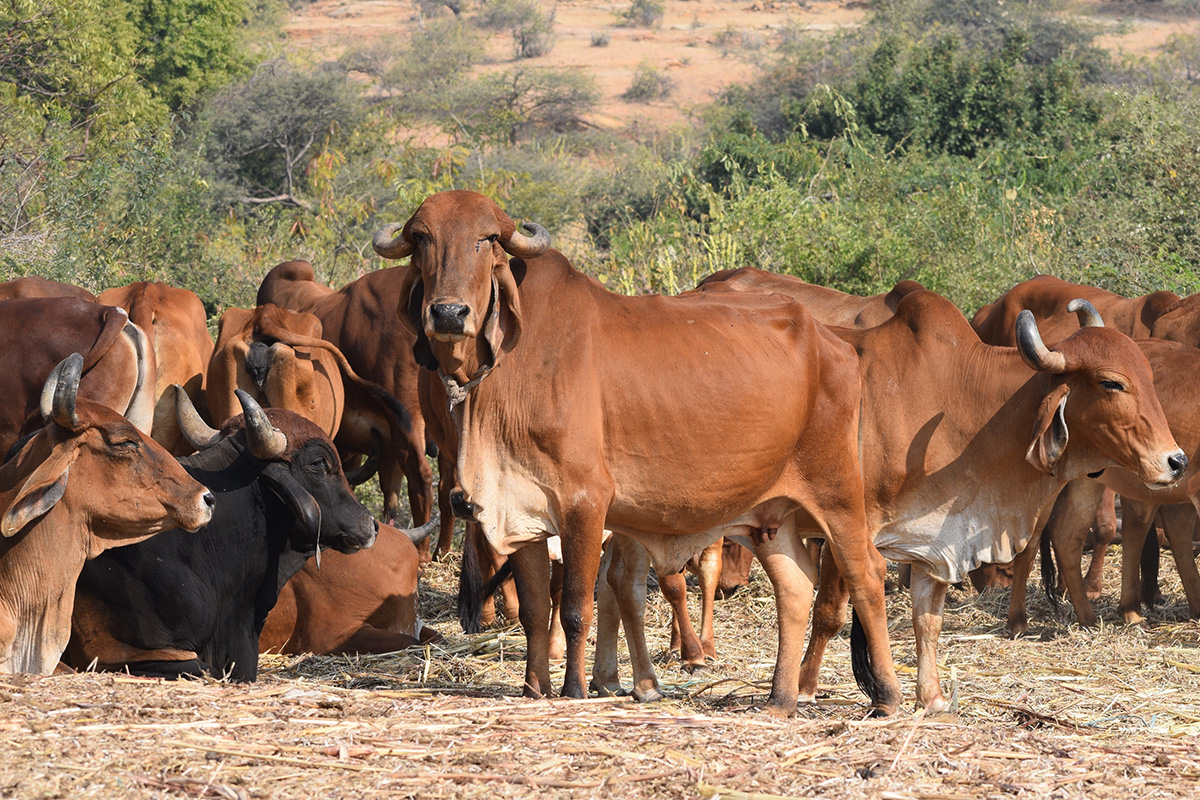
Ayurveda and A2 Milk: The Ancient Wisdom That Modern Science Is Catching Up To
In the quest for good health and feeling your best, a lot of people are now turning back to old or traditional practices, the ones based on tradition and living naturally. One such rediscovery is the real value of A2 milk, especially when it comes from proper Indian breeds like the Gir cow. While modern science is just starting to understand all its perks, Ayurveda has been singing the praises of A2 milk as a top-notch food for both your body and your mind for yonks.
In this blog post, we’re going to have a good look at how Ayurveda sees the special qualities of A2 milk and how the clever boffins of modern science are now backing up this timeless wisdom.
What’s Ayurveda’s Take on Milk Then?
Ayurveda, that 5,000-year-old Indian system of medicine, puts a lot of importance on milk, calling it a complete food when it’s sourced properly and drunk in the right way. According to Ayurveda:
- Milk is Sattvic (pure and harmonious), which means it helps you feel clear-headed, peaceful, and can even help you live longer.
- It nourishes Ojas, which is like your vital energy that keeps your immunity strong and you feeling full of life.
- It balances your Vata and Pitta Doshas (your body’s energies) but can make your Kapha Dosha worse if you have too much or if you don’t digest it properly.
But here’s the thing – not all milk is seen as equal in Ayurveda.
Ayurveda specifically says that milk from traditional Indian cows, often called ‘Desi cows’ in the old texts – like the Gir, Sahiwal, Tharparkar, and Red Sindhi breeds – is the best. These cows produce A2/A2 milk, which is considered easier to digest, more wholesome, and even spiritually better for you than A1 milk.
A2 Milk in Ayurveda: Why All the Fuss?
The ancient Ayurvedic texts often talk about milk from cows with a hump on their back (Bos Indicus) – and these are the very cows we now know produce “A2/A2 beta-casein protein”.
Key Ayurvedic Reasons for Preferring A2 Milk:
- Boosts Your Ojas: Desi cow milk is said to build your strength, improve your immunity, and give you more energy.
- Aids Your Digestion: When drunk warm with spices, it helps your Agni, which is your digestive fire.
- Acts as a Rasayana: This means it rejuvenates your body’s tissues and can help slow down the ageing process.
- Supports a Clear Mind: Sattvic foods like A2 milk are thought to calm your mind and help with spiritual growth.
- Auspicious Uses: Desi cow milk is used in important rituals, in something called Panchagavya (a mix of five sacred cow products), and in making traditional medicines.
Here are a few references to check:
- Charaka Samhita – Sutrasthana Chapter 27 (This is a foundational text of Ayurveda that discusses the properties of milk).
- Sushruta Samhita (Another key Ayurvedic text that also details the benefits of different types of milk).
What Modern Science Is Saying About A2 Milk
It’s interesting, isn’t it? Modern science has recently started to catch up with what Ayurveda has known for centuries: A2 milk seems to be better for our digestion and overall well-being.
The Scientific Bits:
- The A1 vs A2 Protein Difference: Most of the milk you buy in shops comes from Western breeds like Holstein cows. These cows produce A1 beta-casein. When we digest A1 protein, it breaks down into a small bit of protein called BCM-7. This BCM-7 has been linked to:
- Inflammation in the body.
- Slower digestion, making you feel full and uncomfortable.
- Abdominal discomfort like bloating and cramps.
- A2 Milk’s Advantage: A2 milk, which comes from breeds like Gir cows, only contains A2 beta-casein. This type of protein doesn’t produce BCM-7 when we digest it, which can lead to:
- Fewer problems with your gut.
- Reduced inflammation in your digestive system.
- Better absorption of the good nutrients in the milk.
Here are a few references to check:
- Nutrition Journal, 2016 (This journal published a study showing less digestive discomfort with A2 milk – Jianqin et al., 2016).
- European Journal of Clinical Nutrition (This journal has also published research on the digestibility of A2 milk – Ho et al., 2014).
Ayurveda & Science: Where They See Eye to Eye on A2 Milk
| Ayurvedic View | Modern Scientific Insight |
| Supports Ojas & vitality | A2 protein enhances nutrient absorption |
| Easy to digest | No BCM-7, hence less digestive inflammation |
| Builds immunity | High in bioavailable vitamins and antioxidants |
| Calms the mind | May support gut-brain axis and reduce gut stress |
| Sattvic & pure | Ethically sourced from non-genetically modified cows |
This coming together of ancient wisdom and modern findings shows how science is now proving the value of traditional knowledge that’s been passed down through generations.
Why Gir Cow Milk Is Extra Special According to Ayurveda
Gir cows, which are a traditional breed from Gujarat in India, are particularly highly regarded in Ayurveda because of their gentle nature, their physical build, and the quality of their milk.
Ayurvedic Qualities of Gir Cow Milk:
- Golden Colour: This is said to indicate the presence of beta-carotene, which is a natural antioxidant.
- Warm Nature: It’s considered especially good for people with vata and pitta body types, particularly in the winter or when you’re feeling tired.
- Rich Rasa (Taste): It’s believed to nourish all seven dhatus (the body’s tissues).
Benefits of A2 Milk According to Ayurvedic Tradition
- Improves Digestion: When drunk warm with spices like ginger, turmeric, or cardamom, A2 milk is said to help with constipation and acidity.
- Boosts Immunity: Ayurvedic texts say A2 milk helps in producing ojas, which is key for a strong immune system and feeling full of life.
- Enhances Memory and Focus: Traditionally, warm A2 milk with herbs like Brahmi or Shankhpushpi is given to students to help their brain function.
- Promotes Better Sleep: Drinking A2 milk at bedtime, especially with a pinch of nutmeg, is thought to help you get a natural and deep sleep.
- Supports Rejuvenation: It’s part of Rasayana therapies in Ayurveda, which are used for recovery and to help with anti-ageing.
A2 Milk in Ayurvedic Remedies
Some classic Ayurvedic uses of A2 milk include:
- Ksheer Basti (milk enema): Used for neurological disorders.
- Medicated Milk (Ghrita + A2 milk): Used in Panchakarma, a detoxification and rejuvenation therapy.
- Ghee preparation using A2 milk (Bilona method): This traditional method is highly valued.
- Abhyanga (oil massage) followed by A2 milk intake: To help balance the vata dosha.
When to Be Cautious with A2 Milk in Ayurveda
While A2 milk is considered sattvic and nourishing, Ayurveda also advises avoiding milk in certain situations:
- When you have a fever or an active infection.
- If you have a severe kapha imbalance (like a bad cold or congestion).
- Right after you’ve eaten a meal.
- When your digestion (Agni) is weak.
Ayurveda also says that milk should always be drunk warm, never cold or raw, and ideally on an empty stomach or with specific spices to aid digestion.
The OMDAIRY PURE Promise: Ayurveda in Every Drop
At OMDAIRY PURE, we try our best to stick to Ayurvedic values by:
- Offering A2/A2 certified Gir Cow Milk.
- Following ethical and kind dairy farming practices.
- Not using any artificial preservatives, additives, or hormones.
- Using the traditional Bilona method for making ghee.
- Ensuring a fresh daily supply in eco-friendly glass bottles.
Our products aren’t just about nutrition – they’re also aligned with Ayurvedic principles and aim to be spiritually uplifting.
Final Thoughts
Ayurveda has always placed A2 milk at the heart of good nourishment, healing, and spiritual growth. Now, modern science is starting to show us what our ancestors already knew – that milk from desi cows like the Gir breed is often superior in terms of quality, how easy it is to digest, and its health benefits.
If you’re trying to live a more holistic life, including OMDAIRY PURE’s A2 milk in your diet is a step that’s rooted in both ancient tradition and modern scientific understanding.
References:

- Charaka Samhita – Sutrasthana Chapter 27.
- Sushruta Samhita.
- Jianqin, S., Leiming, X., Lu, X., Yelland, G. W., Ni, J., & Clarke, A. J. (2016). Effects of milk containing only A2 beta-casein versus milk containing both A1 and A2 beta-casein1 on digestive comfort, stool consistency, and transit time: a randomised, double-blind, cross-over trial. Nutrition Journal, 15(1), 35.
- Ho, S., Woodford, K., Kukuljan, S., & Pal, S. (2014). Comparative effects of A1 versus A2 beta-casein on gastrointestinal discomfort: a blinded randomised cross-over trial. European Journal of Clinical Nutrition, 68(9), 994-1000.